Oncor’s April 2026 rate increase: what Texas customers should know now
The Public Utility Commission of Texas approved Oncor’s final order on April 17, 2026, clearing the way for higher regulated delivery charges to show up on customer bills. The headline number is large, but the customer impact is easier to understand when you separate delivery charges from your retail energy rate.
What was approved in April 2026
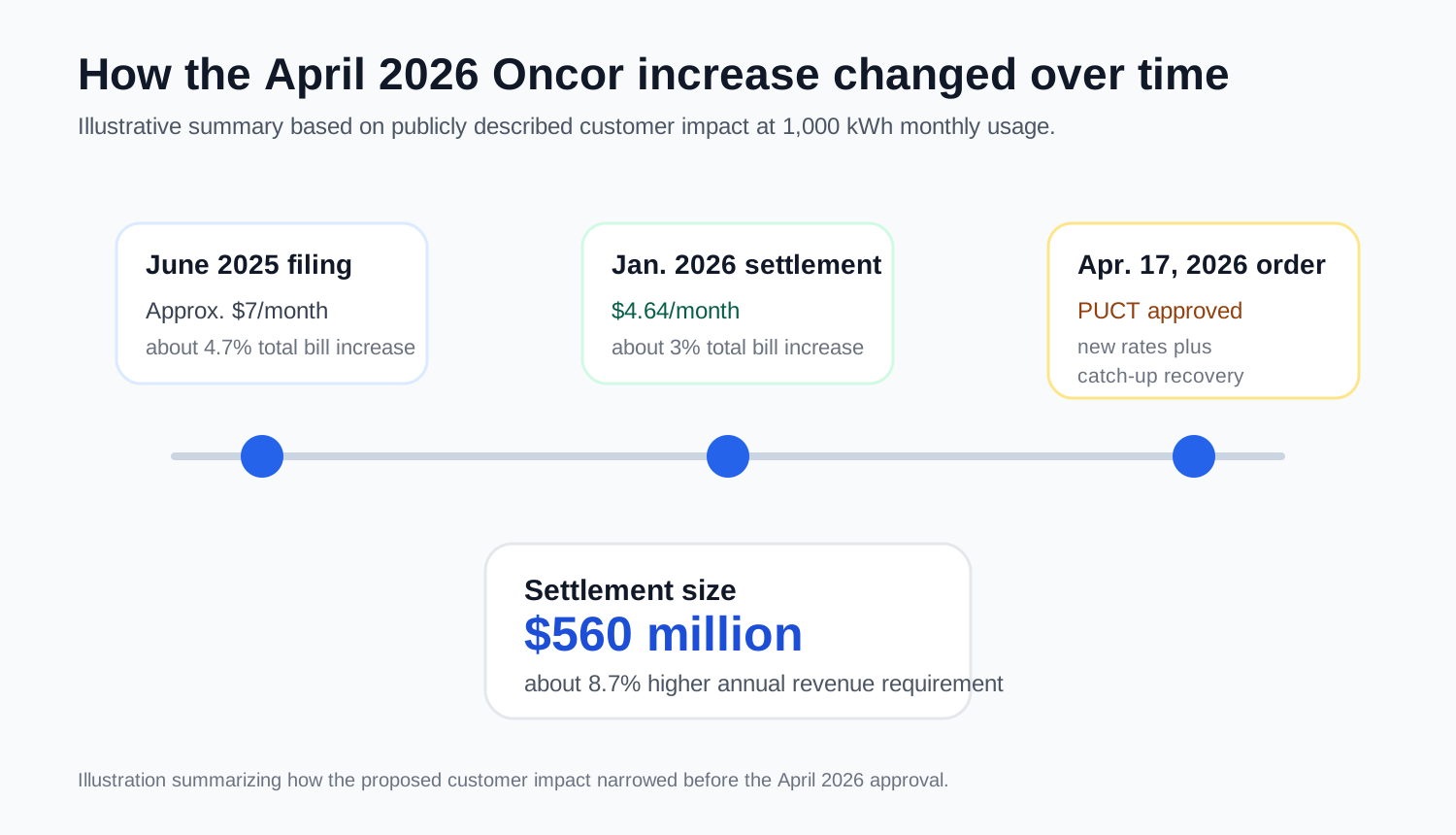
On April 17, 2026, the PUCT approved the final order in Oncor’s rate-case proceeding. The order approved the settlement terms that had been filed earlier in January 2026 after the broader 2025 base-rate review began.
The settlement supports an annual revenue increase of about $560 million, roughly an 8.7% increase to Oncor’s annual revenue requirement. For a residential customer using 1,000 kWh per month with a retail plan priced around 15¢ per kWh, the change was described as about a 3% increase to the total monthly bill, or about $4.64 per month.
Why the increase matters even if your REP does not change
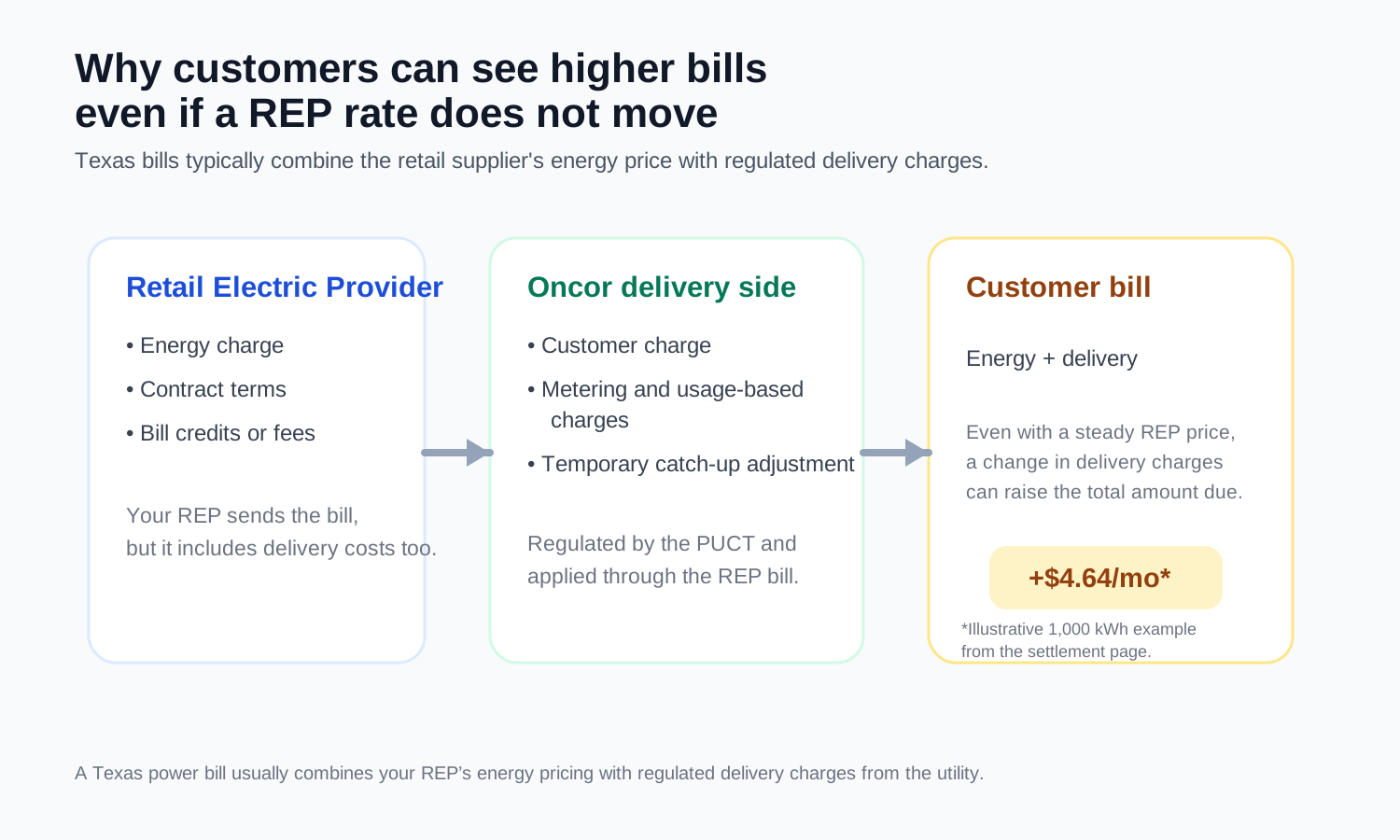
Customers often focus on the energy rate from their Retail Electric Provider, but that is only part of the bill. Oncor is the delivery utility in its service area, and its regulated charges appear on bills even though customers still buy power from a REP.
That means a customer can see a higher total bill even when the retail supply portion of the plan does not move. In other words, this April 2026 announcement is mainly about delivery charges, not a change in who supplies the electricity.
Why Oncor said rates needed to rise
Oncor’s public explanation tied the case to storm recovery, inflation, insurance, interest rates, and major grid investment. The company said the biggest portion of the original requested increase related to recovering storm-related costs after an average of 31 major storm events per year over the last three years.
Oncor also said its current rates were still largely based on 2021 costs, while inflation, wage pressure, insurance premiums, and borrowing costs had moved materially higher. At the same time, the company announced a five-year base capital plan of about $47.5 billion for 2026 through 2030 to support reliability, resiliency, and continued growth in Texas.
How the final settlement compared with the earlier proposal
The original June 2025 rate-case page described an estimated impact of about $7 per month for a 1,000 kWh residential customer, or about 4.7% on the total bill. By the time the January 2026 settlement was filed, the estimated customer impact had fallen to about $4.64 per month, or about 3% overall.
That matters because it shows the case changed during the process. Customers still face higher delivery charges, but the public settlement figure became more moderate than the earlier proposal tied to the initial filing.
What the temporary catch-up adjustment means
The April 2026 order also lets Oncor recover the difference between old and new billing rates for the period starting January 1, 2026 and running until the new rates take effect. According to Oncor’s public explanation, that difference can be recovered through a separate surcharge filing during 2026.
Oncor also said the temporary adjustment would be spread through the end of 2026 to soften the monthly effect. That does not erase the increase, but it can make the catch-up amount less abrupt than collecting it all at once.
What residential and business customers should watch
Residential customers
Look for the delivery portion of your next bill, not just the energy charge on your plan summary. Customers using around 1,000 kWh per month are the clearest reference point in the public settlement materials, but the exact dollar impact will vary with usage and plan structure.
Commercial customers
Business accounts should review invoices more closely because demand, class, and load shape can change how delivery-cost updates land. For larger sites, the rate-case impact can show up differently than it does for a typical residential account.
- Compare the delivery and transmission section of the bill before and after the new rates are implemented.
- Do not assume a stable REP contract means the full bill will stay flat.
- For business accounts, review demand-related charges and class-specific details with your broker or consultant.
The practical takeaway
The April 2026 announcement is not just another headline about rising electricity prices. It is a regulated delivery-charge update that can raise total bills even when a customer’s supply contract stays the same.
For many households, the public example was about $4.64 more per month at 1,000 kWh usage under the settlement assumptions. For larger users and business customers, the effect can be more nuanced, which is why bill review matters after any major delivery-utility rate case.
FAQ
Did the PUCT approve the final order in April 2026?
Yes. The official Oncor rate-case page says the PUCT approved the final order on April 17, 2026 and approved the settlement terms.
Is this the same thing as my REP raising its price?
No. This case is about regulated delivery charges from the utility side of the bill, which are collected through your REP invoice.
Will customers also see a catch-up charge for earlier months of 2026?
The public explanation says Oncor can recover the difference between old and new rates back to January 1, 2026 through a separate surcharge filing during 2026.